The Boston Ballet premiered its latest program, The Dream, Thursday night, balancing classical technique with innovative new talent in two standalone ballets.
Running from March 19 to 29, The Dream is the Boston Ballet’s second program of its 62nd season.
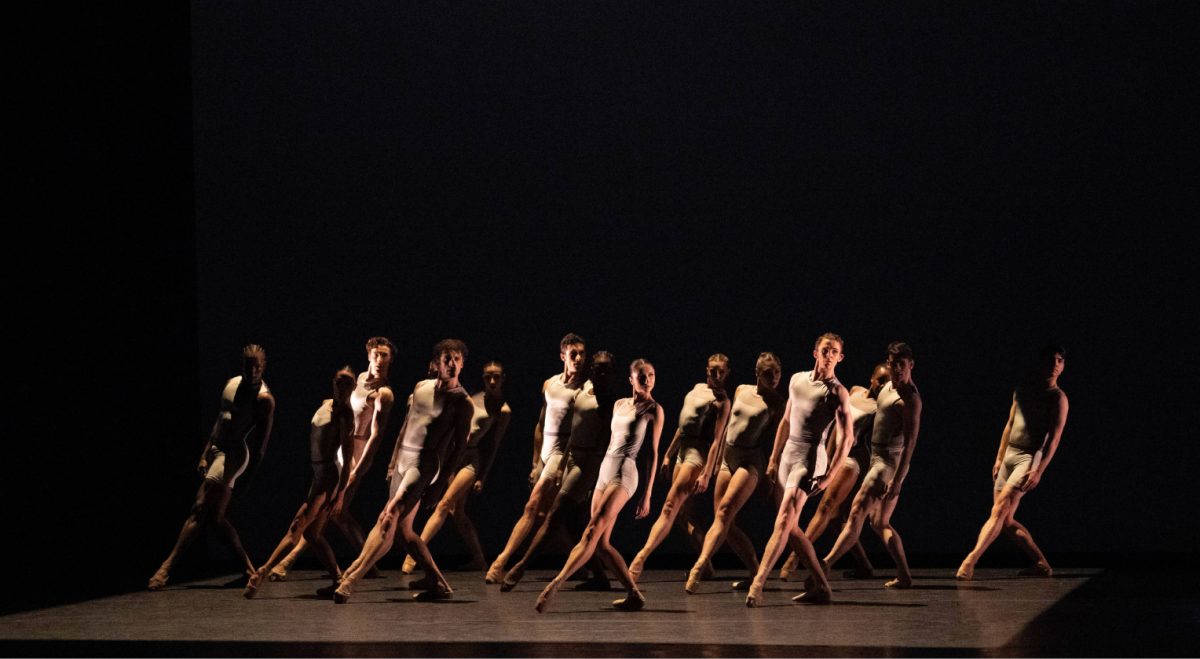
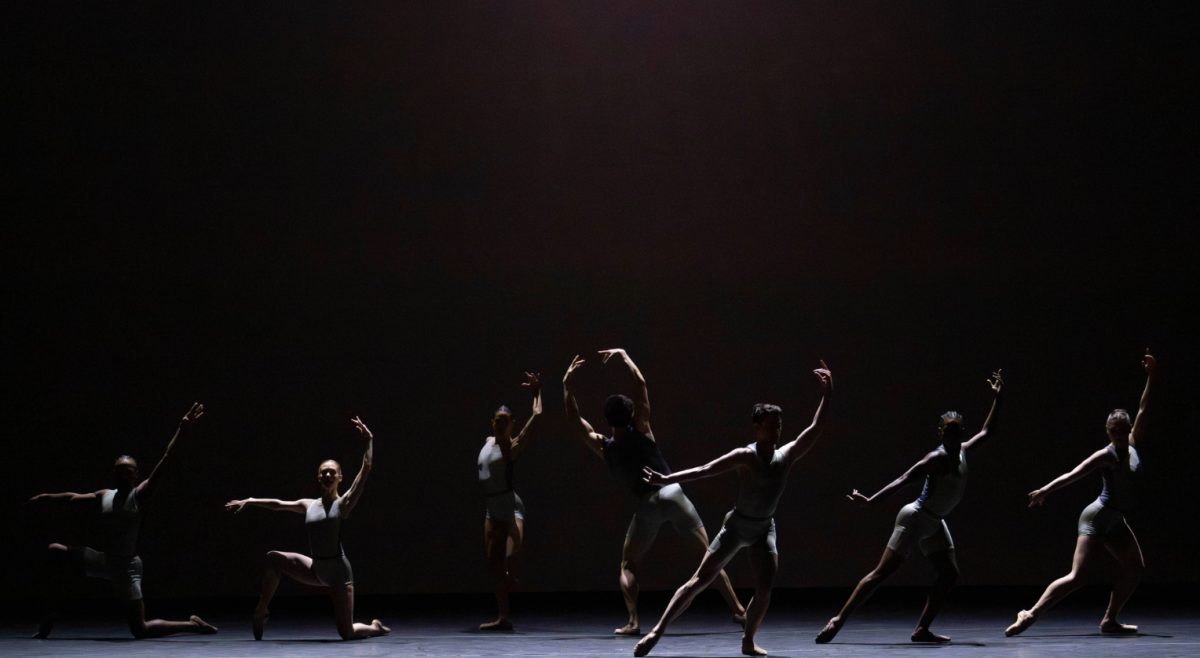
The night opened with the world premiere of My’Kal Stromile’s The Leisurely Installation of a New Window, a neo-classical ballet that serves as a commentary on movement, relationship, and change within a system.
Stromile, a former company dancer with the Boston Ballet, wrote in the program that he views choreography as a unique way to engage with the world and its complexities, such as culture and the human experience.
“The body holds an extraordinary capacity to convey stories, whether abstract or narrative, and I view dance as a means of exploring the emotional and visual architecture that shapes them,” the program reads.
Stromile’s melange of classical pointe with contemporary and modern influences left the audience transfixed. The dancers weaved through the constantly changing piece, moving in reaction to pressure and conformity on stage.
The Leisurely Installation of a New Window, Stromile’s second piece commissioned by the Boston Ballet, consists of three movements: “Thesis,” “Antithesis,” and “Synthesis.” Each part adds a new layer to the audience’s understanding of Stromile’s work—beginning with curiosity and uncertainty, and ending with hopeful imagination.
The simple, sleek costuming worked alongside a fluctuating lighting display to add another dimension of visual depth to the piece. At times, Madoka Sugai, the Seeker, blended into the ensemble, and at other times the lighting made her seem alone onstage.
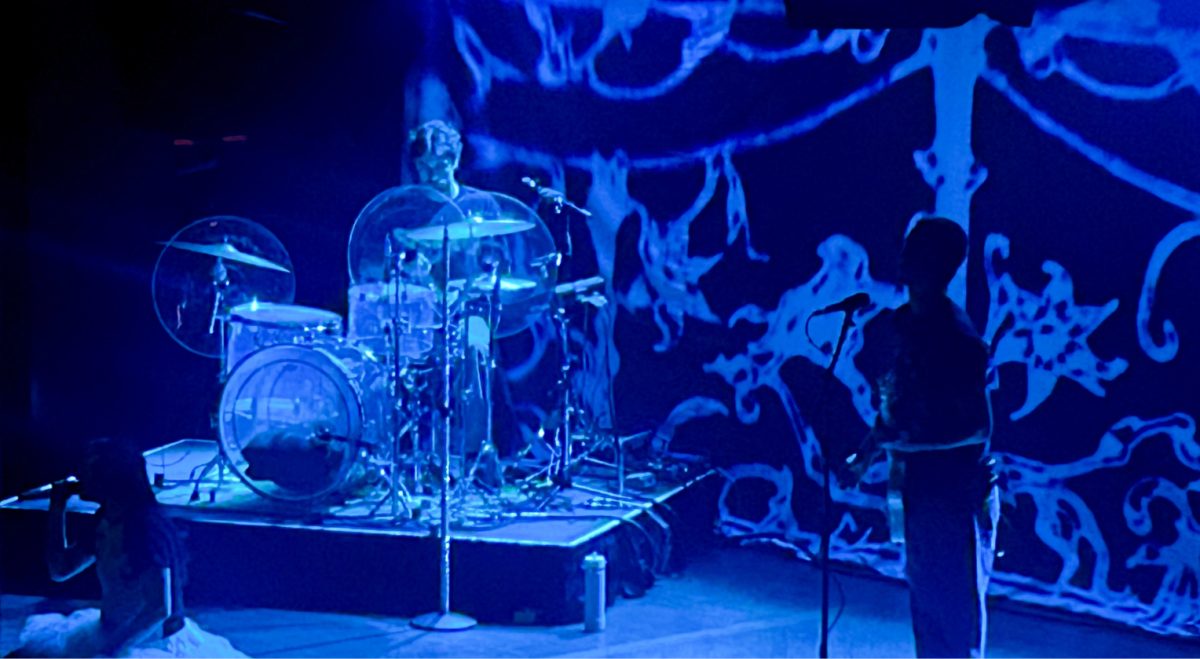
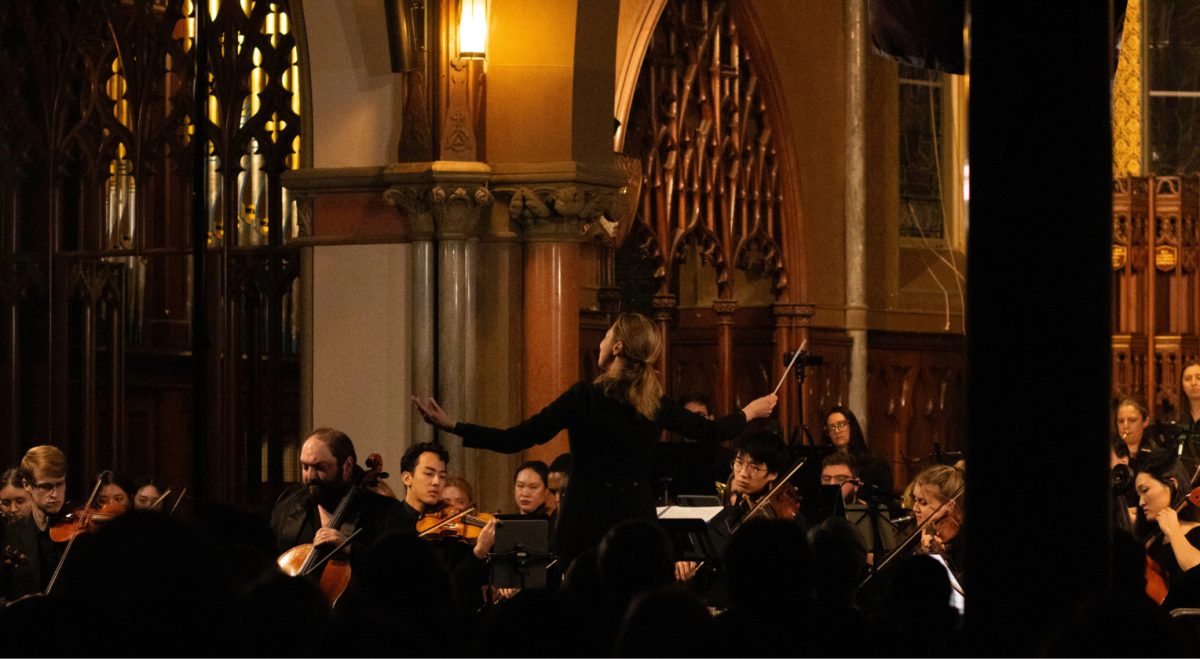
Music Director Mischa Santora’s score—which featured Grammy Award-winning guitarist Reeves Gabrels of The Cure—had the crowd on the edge of their seats. Santora creates a diverse yet cohesive soundtrack that makes the piece feel like a continuous narrative.
When, occasionally, Gabrels’ sharp electric guitar cut through the classical orchestra, the intense contrast between the orchestra and the electric instrument created a musical dichotomy that both aided Stromile’s thematic mission and reinvigorated the audience’s attention.
Executive Director Ming Min Hui praised Stromile’s work as “meticulously crafted and deeply intentional,” and explained that presenting pieces like Stromile’s is “central to Boston Ballet’s mission.”
The program noted that the Boston Ballet commissioned Stromile’s piece “to celebrate the future of our living art form at this pivotal 250th moment in America.”
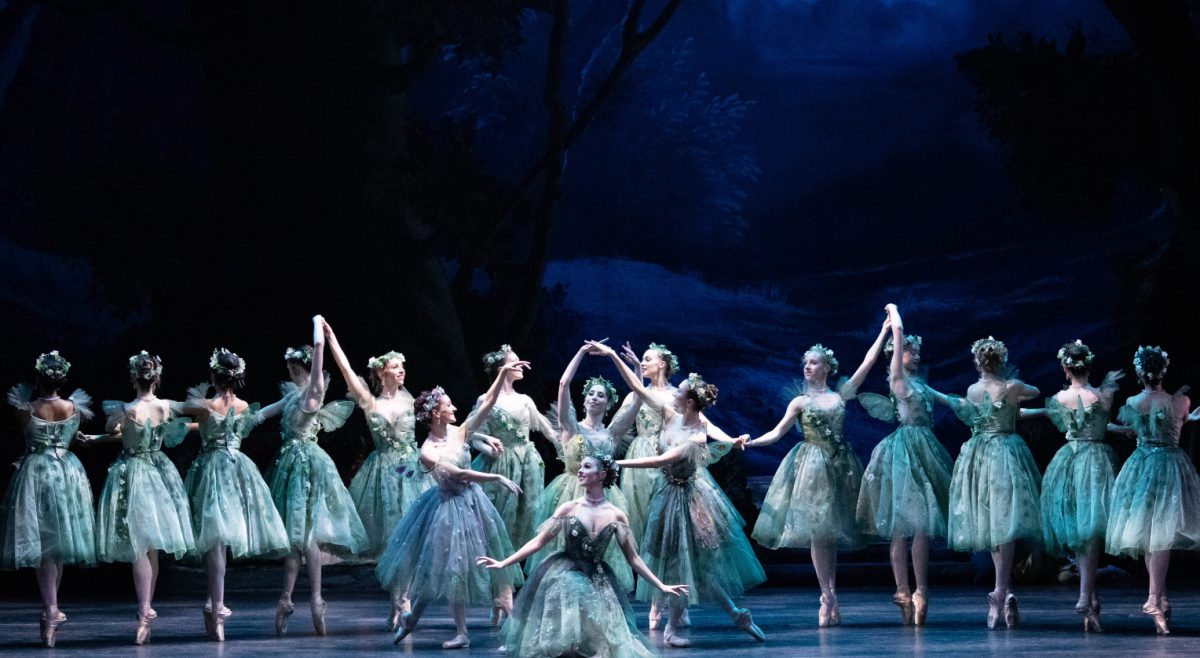
After a 20-minute intermission, the Boston Ballet put on its first-ever performance of Frederick Ashton’s The Dream, a one-act adaptation of William Shakespeare’s A Midsummer Night’s Dream.
As soon as the curtain came up, the audience was entranced. A stunning set transported the audience directly into the woods, and the orchestra’s light music, accompanied by graceful dancing and ethereal costumes, added to the show’s magic.
Set in the woods, the performance starts with Oberon, king of the fairies, and Titania, his queen, furiously fighting—the duo’s exaggerated movements and comedic timing set the tone for the rest of the show.
After growing exceedingly frustrated with Titania, Oberon enlists the help of his servant, Puck, a mischievous fairy, to punish her. The pair uses the drops of a flower to force Titania to fall in love with Bottom, a hapless mortal that Puck turns into a donkey.
The ruse results in a hilarious pas de deux, with a bumbling Bottom dancing en pointe, that left the audience laughing. Bottom’s exaggerated movements and incredibly large donkey head encapsulate the humor and physical comedy that Ashton perfectly incorporates into The Dream.
Oberon and Puck also disrupt the love lives of two mortal couples, which causes chaos in the forest—a fight ensues between romantic rivals, which features perfect pantomime, a fog machine, and Puck’s comedic meddling.
Both the mortals’ fight and Bottom and Titania’s pas de deux reflected Ashton’s comedic brilliance while maintaining the ballet’s beautiful movement.
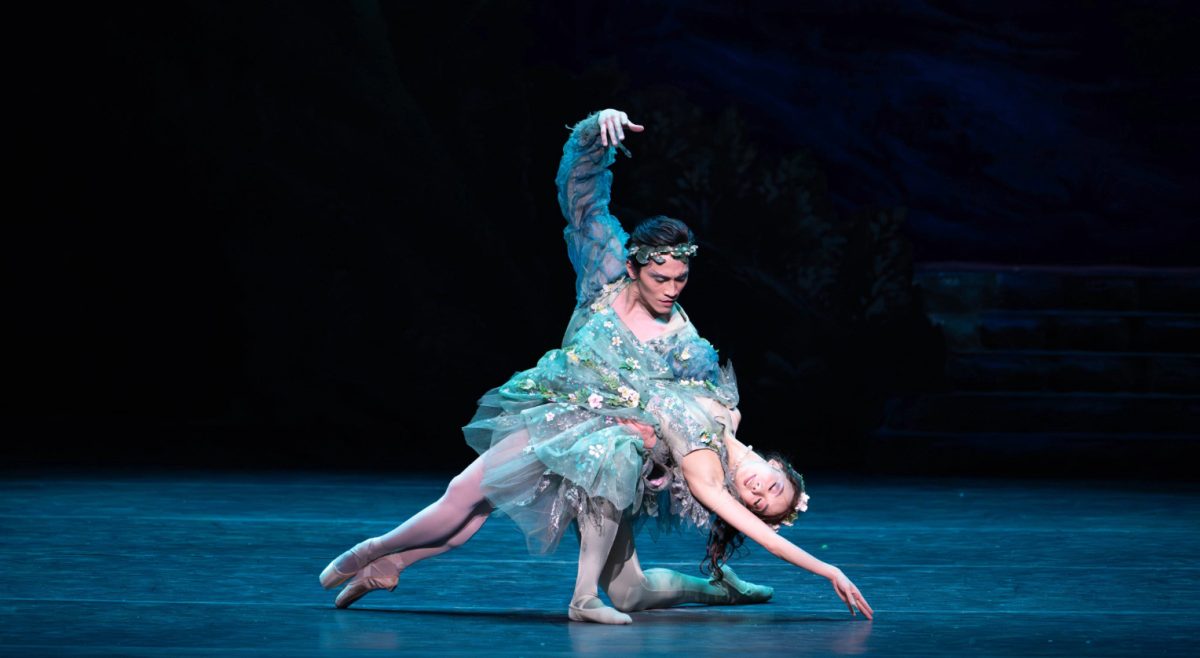
The climax of the piece comes from Oberon and Titania’s pas de deux at the end of the act. The spell is reversed, and Oberon and Titania dance in and out of sync, at times distinctly separate and at others intimately entwined, before concluding in complete synchronism.
Earning a standing ovation from its first Boston audience, The Dream perfectly balanced exquisite dance, drama, and humor, and proved that classical ballet still holds a place in modern media.