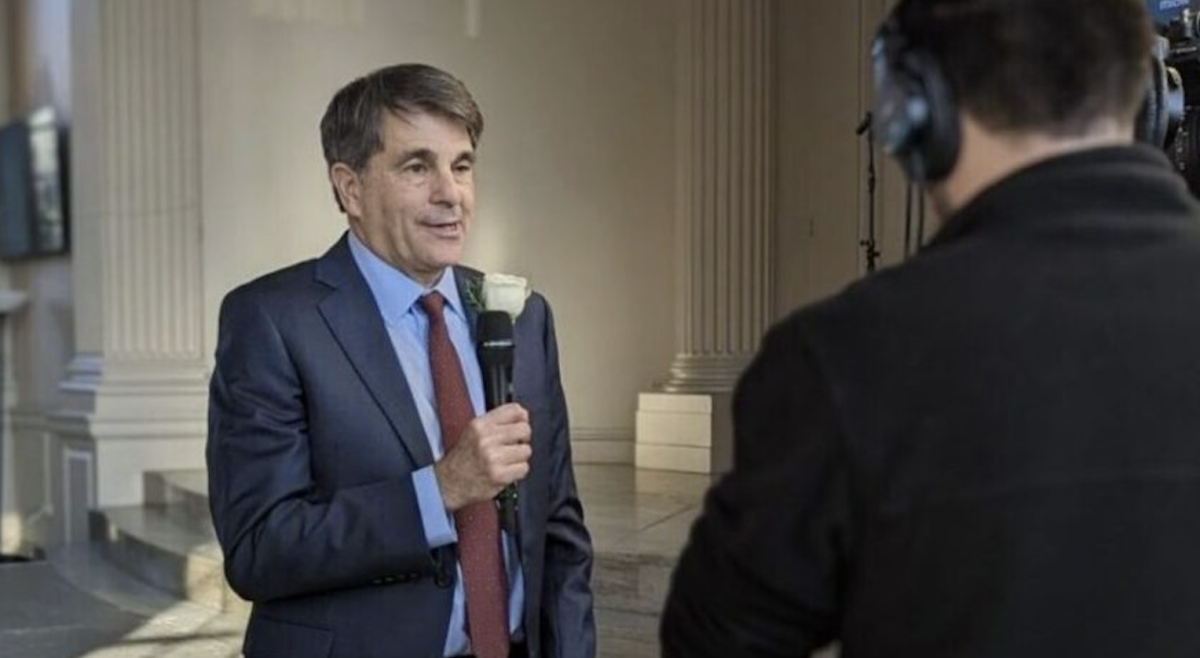

Setti Warren, the former Newton mayor whose storied political legacy sprouted from Boston College’s student government, died Sunday at 55, according to an email from Newton Mayor Ruthanne Fuller.
Before Warren was Newton’s—and the state’s—first popularly elected Black mayor, he was president of the Undergraduate Student Government at BC (UGBC).
In 1991, Warren took on an uphill campaign for the UGBC presidency. He was a sophomore running against juniors, and Black students only made up 3.3 percent of the undergraduate population at the time.
“No one thought I could win that race,” Warren told The Heights in 2019.
So Warren knocked on the doors of dorm rooms, talking his way to a landslide win in 1991.
“I knocked on virtually every dorm room door I could,” Warren said. “When I had conversations with people, the sort of dismissiveness came down, and we were able to relate to each other as two kids at BC that just wanted to see a better campus.”
During his tenure, Warren brought film director Spike Lee to Conte Forum to discuss his film, Malcolm X, and instituted the Book Tuition Fund, which offered $50 book vouchers to students with the highest level of unmet financial aid.
 After college, Warren embarked on a busy political career. He worked in Bill Clinton’s administration, served as the New England Regional Director of the Federal Emergency Management Agency, and then joined U.S. Senator and BC Law ’76 John Kerry’s presidential campaign.
In 2001, Warren spent a brief stint back on campus at the BC University Development Office as the assistant director for leadership gifts.
“It was fantastic and it reminded me of why I wanted to go there,” Warren said in the 2019 Heights interview. “I loved coming back to campus.”
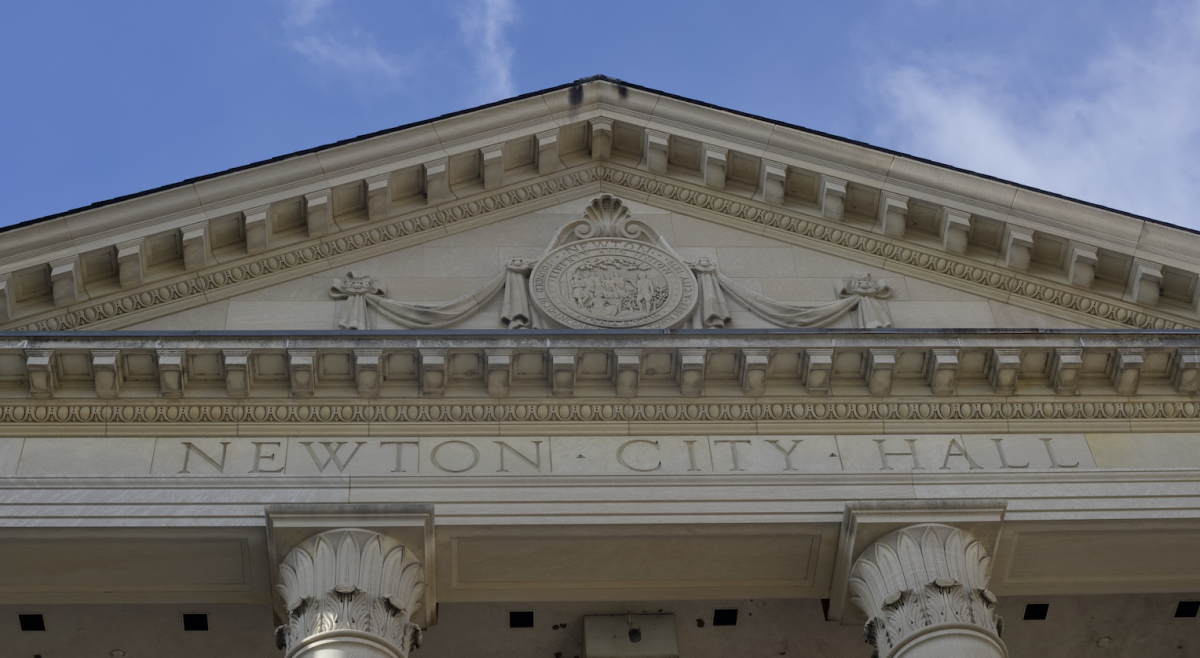
Warren enlisted in the U.S. Navy in 2002, then served in Iraq as an intelligence specialist in 2007. When then-Newton-Mayor David Cohen announced he wouldn’t seek reelection, Warren filed his papers to run for Newton mayor while still deployed.
Eyeing the mayoralty in 2009, Warren faced similar hurdles as he did in that 1991 UGBC campaign. He was young—40 years old—and low on political experience. And just like at BC, Warren sought to lead a largely white constituency, as Newton was only 2.5 percent Black at the time.
But the 2010 election brought a new challenge—he got a late start on campaigning because he had to wait until his tour was over.
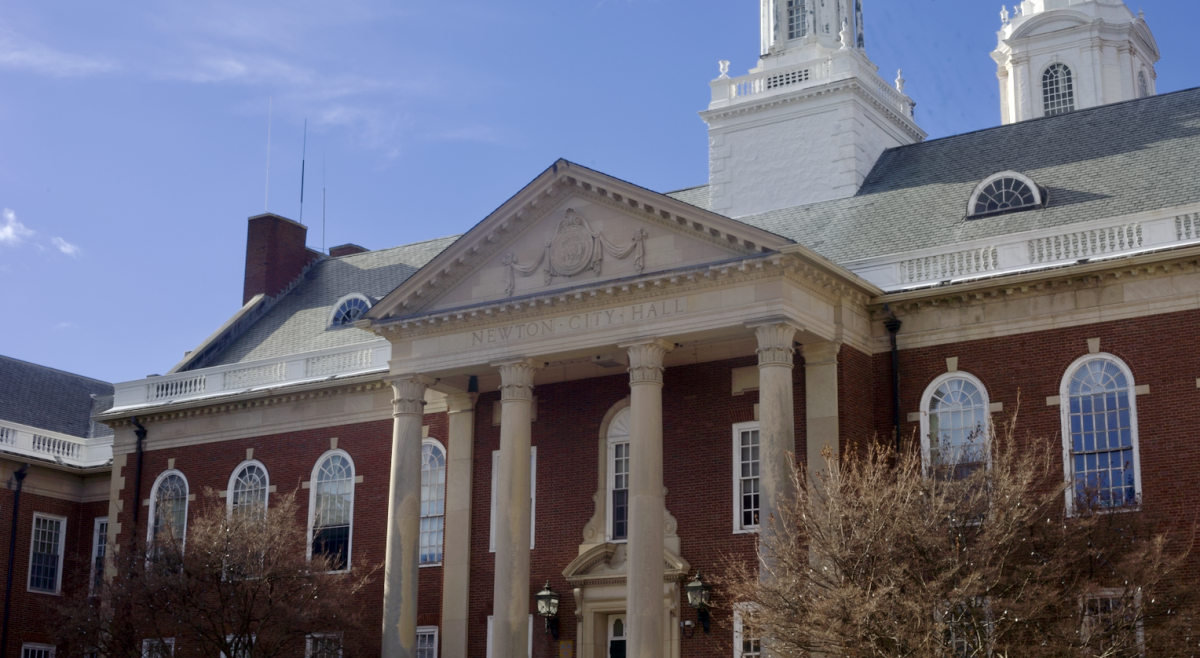
So when he arrived back in Newton, he relied on old strategies. Warren knocked on doors—more than 11,000 of them. He beat Massachusetts State Representative Ruth Balser to win the mayoralty, kicking off a two-term tenure.
As mayor, Warren pushed through an $11.4 million tax override package that sought higher taxes from local nonprofit institutions, like BC, to bolster teachers’ salaries and support the rebuilding/renovation of Angier Elementary School and Cabot Elementary School.
He also led a 2016 initiative called “Economic Growth for All,” in which BC faculty collaborated with city officials to develop research and policy that would counteract economic inequality in the city.
“The issue of our time, I believe, is the issue of income inequality,” Warren said in 2016.
He stepped down in 2018, launching a run for governor to challenge Republican Governor Charlie Baker. He lost in the Democratic primary.
In 2022, he was named executive director of Harvard’s Shorenstein Center on Media, Politics and Public Policy. He moved his way up to director of Harvard’s Institute of Politics, a role he held up to his death.
Warren leaves behind his wife, Tassy, and two children, Abigail and John. He died at his home in Newton, according to Fuller’s email. The cause of his death remains unannounced.