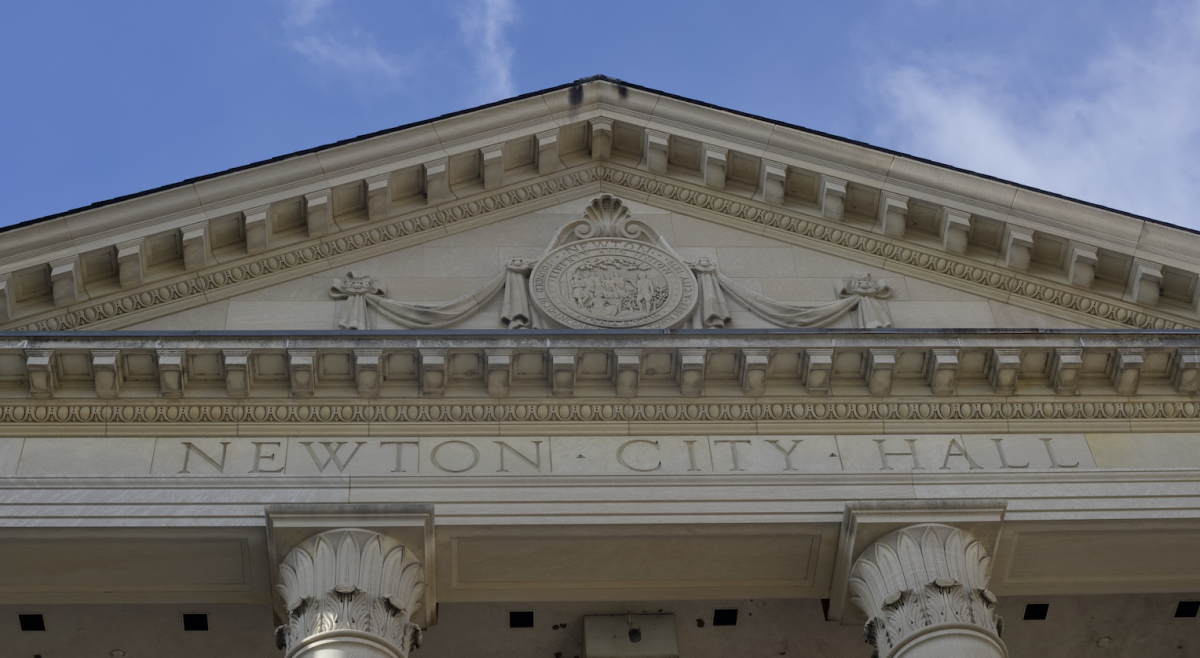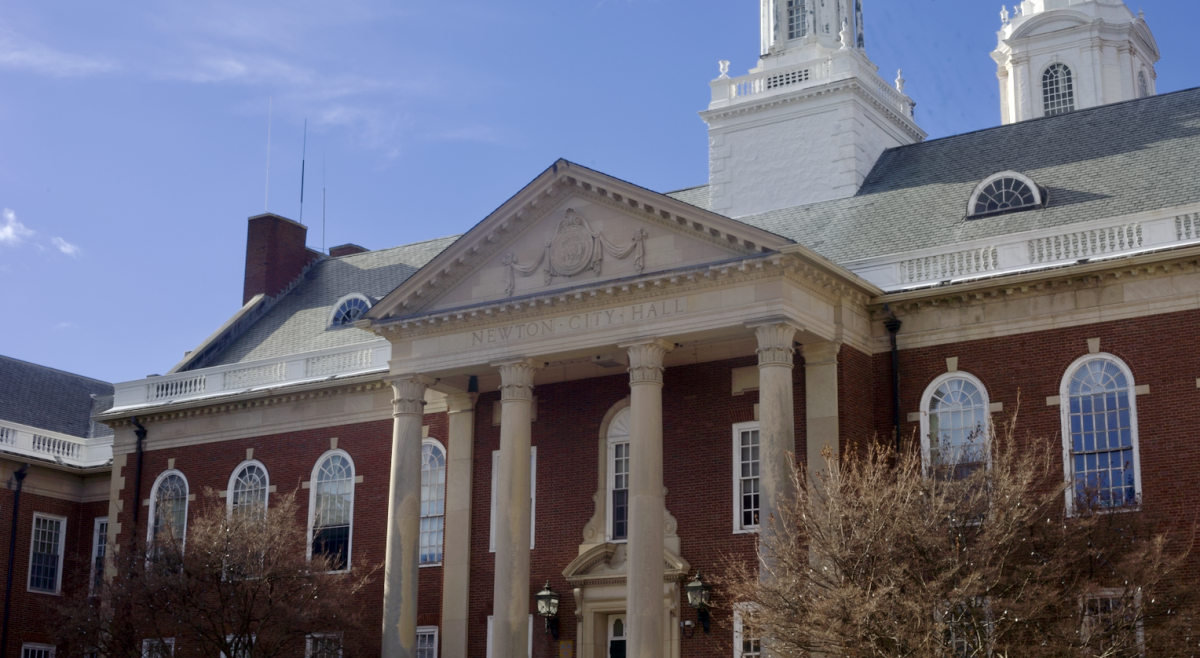

Newton’s Programs and Services Committee met on Wednesday to discuss revisions to the city council’s rules and the development of a formal code of conduct.
Prior to the inauguration of the newly elected city council, Programs and Services is responsible for reviewing the current rules and making recommendations for changes.
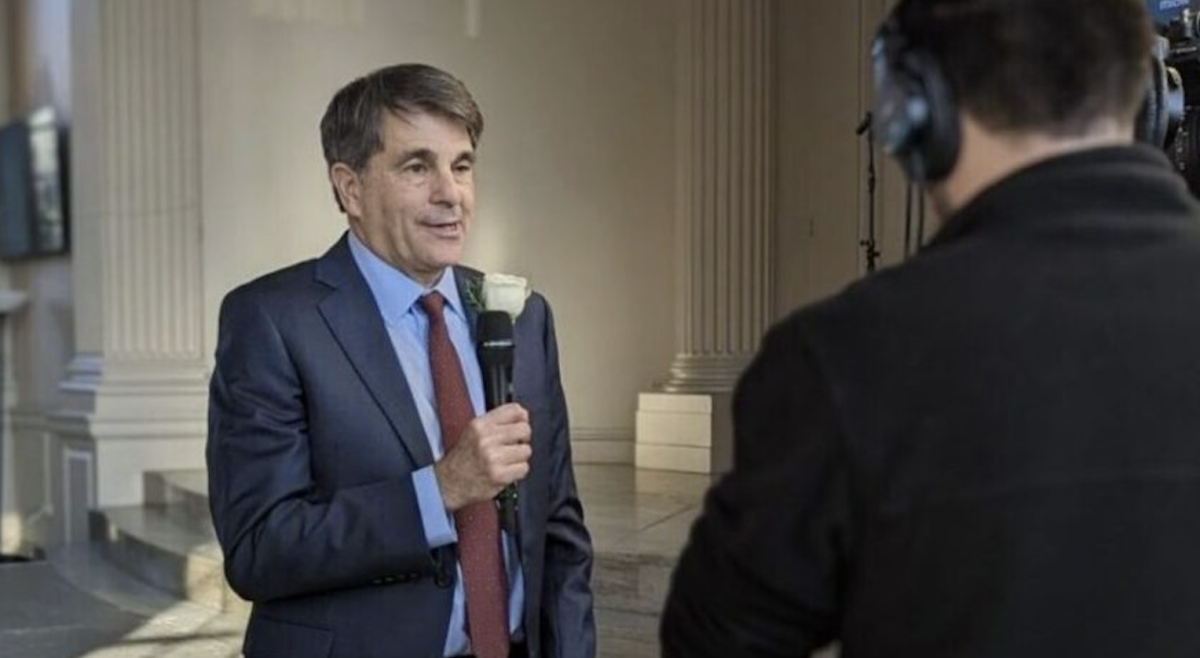
Ward 1 Councilor-at-Large John Oliver explained that the revision is a matter of housekeeping.
“It is an overarching kind of cleansing—I’ll call it—of the way things were written,” Oliver said. “It’s just housekeeping, simplicity of maintaining accuracy.”
The revision process has been ongoing for a couple years, explained Ward 4 Councilor-at-Large Joshua Krintzman, who serves as committee chair.
“I think in some cases, it has just happened that it has taken us the full two years to work through some of this stuff because there’s only so much time that we can meet on these things,” said Krintzman.
Ward 7 Councilor Lisle Baker raised concerns about the newly elected councilors who would be required to both approve and swear to the new rules when inaugurated in January, after limited contact during their council orientation.
Krintzman explained that revisions are ongoing, and new council members are welcome to voice concerns.
“If all the new members feel that we made a mistake, I would absolutely want them to make that change and make that change immediately effective,” said Krintzman.
Krintzman also explained that mid-term changes to council rules are not strictly forbidden, which would aid in possible future revisions.
“We have made changes in the middle of the term,” said Krintzman. “I also think that there’s, as far as I can tell, nothing in the rules or the charters that prevents us from making changes in the middle of the term.”
The committee opted for another round of review and approval from the legal department on the minor changes discussed. After approval, the rules would see one more vote in Programs and Services before being set before the whole council.
Following the revisions to council rules, Ward 2 Councilor-at-Large Susan Albright’s request to adopt a code of conduct for city councilors was brought before the committee with the intention of determining behavioral standards within the council.
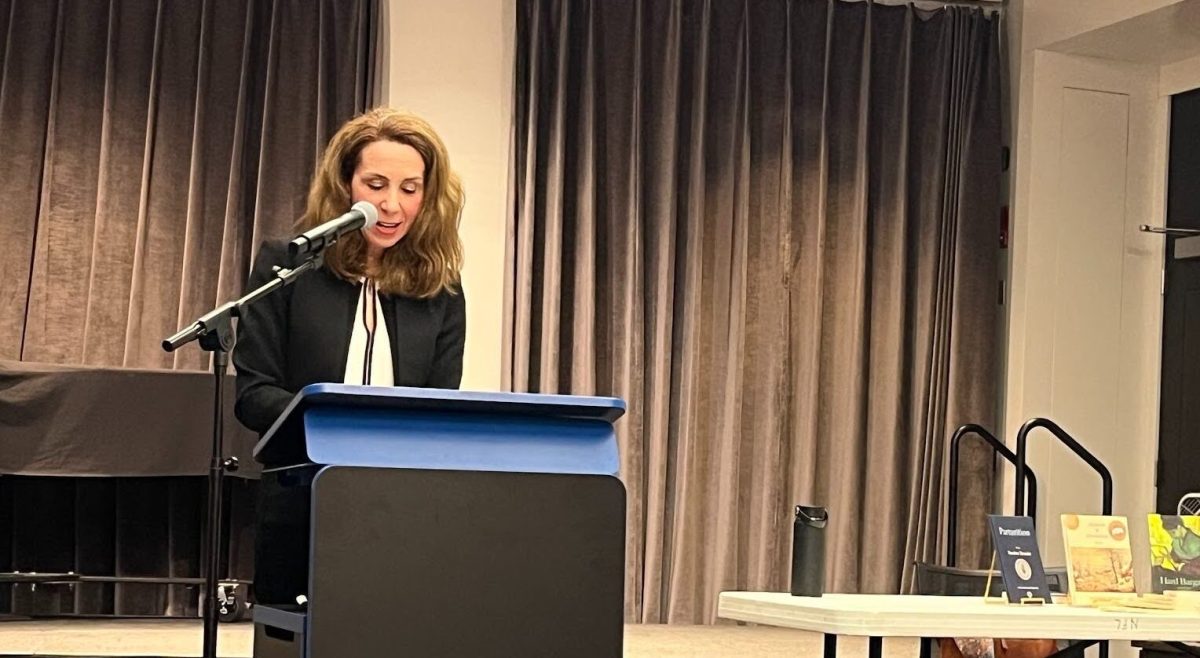
Ward 5 Councilor Bill Humphrey presented the proposed code to the committee, explaining that he believes a formal problem-solving route is necessary.
“Part of our job is to formalize processes and to say, ‘Hey, something isn’t actually working in the informal way,’ and it shouldn’t depend on an informal network or club,” Humphrey said.
Krintzman added to the idea, explaining that there is value in establishing current informal norms as written standards to create continuity for the future.
“So we’re not just depending on passing down knowledge from longtime councilors to new councilors, and also avoids some inadvertent offenses by making some of the standards clearer,” said Krintzman.
A code of conduct would also help showcase the council’s values before the public, explained Krintzman.
“Then, most importantly, this protects the image of the institution of the city council in the eyes of the public by promoting just respect, civility, and a welcoming atmosphere and accountability, and so forth,” said Krintzman.
Humphrey highlighted the discrepancies with relying on informal control of council behavior. He brought up an experience where a councilor made inappropriate comments, but there was no formal way of addressing the problem.
“The single most offensive misogynistic comment I ever heard from a city councilor was at an informal event off-site,” Humphrey said. “A remark that would have absolutely gotten a person fired in the private sector.”
After extensive debate, the committee agreed to table the discussion due to several members arguing that the technicalities could obstruct council work and that current informal methods for managing conduct are sufficient.
“I just have misgivings about the whole framework as it’s currently done,” Baker said. “Amendments still may not cure it for me.”
The committee moved to approve the work of the subcommittee on the code of conduct, but left it subject to a second call if needed.