Massachusetts’ light pollution is posing a problem for the over 3,000 moth species that can be found throughout the state, revealed local moth expert and wildlife enthusiast Dave Small.
“We are concerned about light pollution and dark skies … [it is] an issue with us having so much ambient light in our planet, now, in our cities and our neighborhoods, that we really need to be thinking about managing light,” Small said.
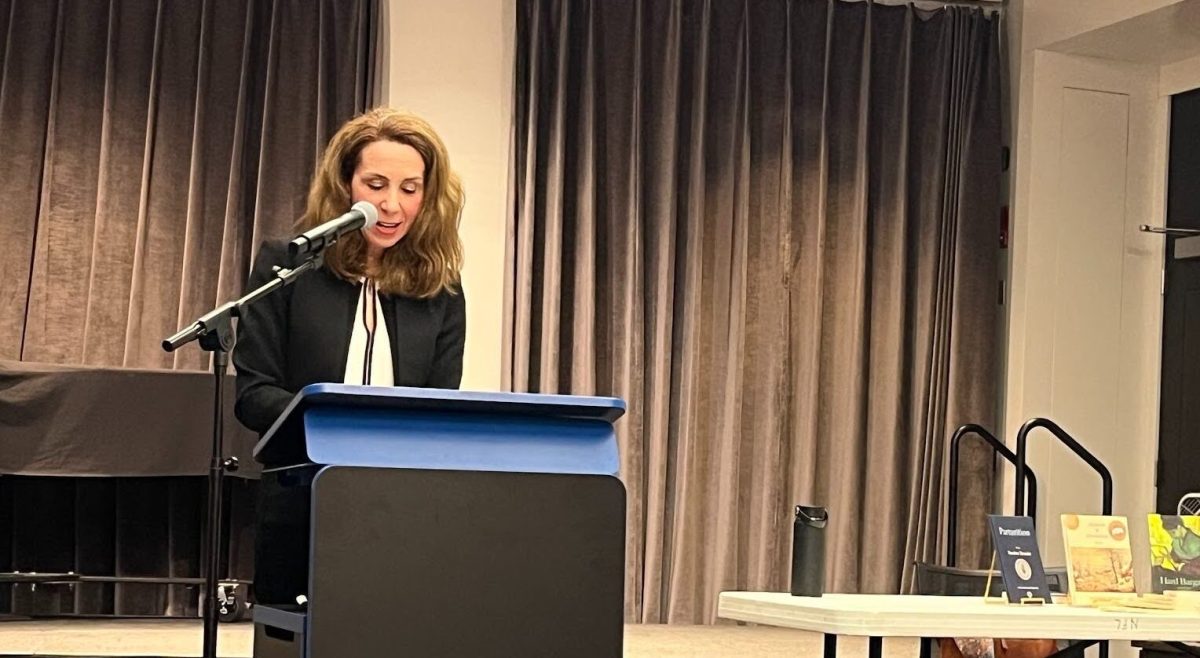
Newton Conservators, a citizens’ group that advocates for Newton’s open spaces, hosted “Welcome to the Dark Side: Discovering Moths,” a webinar featuring Small’s discussion of moths, butterflies, and their relationship with plants.
Small is the director of conservation at the Mount Grace Land Conservation Trust and a former Assistant Regional Director at the Commonwealth of Massachusetts’ Department of Conservation and Recreation at Quabbin Reservoir. He is also a wildlife enthusiast who has dedicated his life to conserving natural resources.
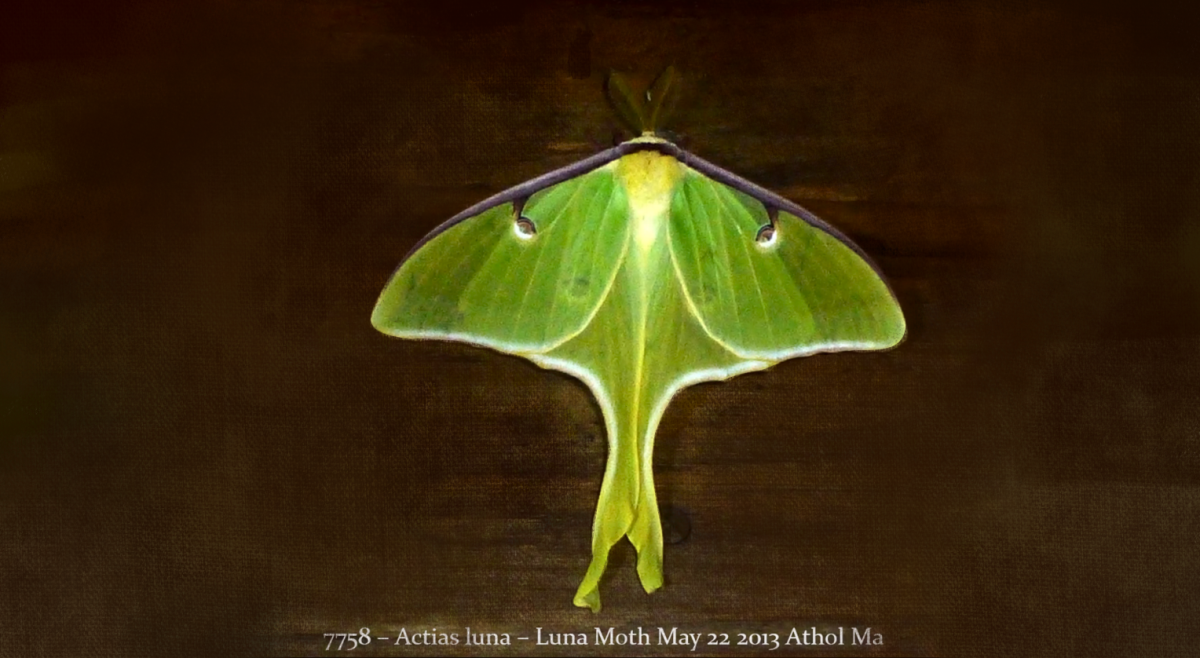
“We get a lot of bad images of moths overall, and I’m here to say that they’re not all bad,” Small said.
Small discussed many of the moth species he photographs in the backyard of his rural Massachusetts home, noting the natural beauty and diversity of the state’s moth populations.
“I put all of my moths that I find [here], and I’ve got, you know, like 967 species,” Small said.
Before photographing the moths, Small would attract them using a variety of methods, such as light or a special bait.
“For attracting moths … quite often we use lights,” Small said. “Both black lights and high-intensity mercury vapor lamps. We sometimes use a bait that is some combination of beer, brown sugar, rotten fruit, and maybe some rum.”
Small stressed that people should only use light to attract moths when studying them.
“We want to make sure that we only have these lights on when we’re actually actively looking at moths and working with them,” Small said. “I make sure that I turn off my lights way before dawn to give the moths a chance to disperse.”
The night sky becomes brighter every year, explained Small, and the increase in artificial lights has resulted in drastic decreases in the insect population.
“It’s like all the time, everywhere you go, every gas station, every street light, we really just have a tremendous amount of extra light in the atmosphere these days, and it’s changing the way insects behave,” Small said.
Small sees the effect that light pollution is having on his studies, especially with moths becoming less sensitive to the light he produces.
“Moths are actually not being as attracted to [my] lights because of all the extra light in the atmosphere,” Small said. “So it’s kind of like, you know, there’s some disorientation. There’s just too much light in the air, and these single bulbs don’t attract as much as they used to.”
Small reminded meeting attendees that everyone can contribute to lessening the burden of light pollution on moths.
“If you have lights around your house and you don’t need them, turn them off at night,” Small said. “Use, you know, motion sensors, where you need to have some safety or whatever, but, but just, you know, keeping lights on forever is just not the way we need to go these days.”