
The Newton Conservation Commission (NHC) voted unanimously to eradicate the Amur cork tree, a highly invasive species on Massachusetts’ Prohibited Plant List, from Cold Spring Park’s wetlands in a meeting on Thursday.
“[The Amur cork tree has a] terribly aggressive habit of spreading with a very dense root mat, and then root sprouting from those dense root mats, and it really takes over and creates a monoculture,” said Chief Environmental Planner Jennifer Steel.
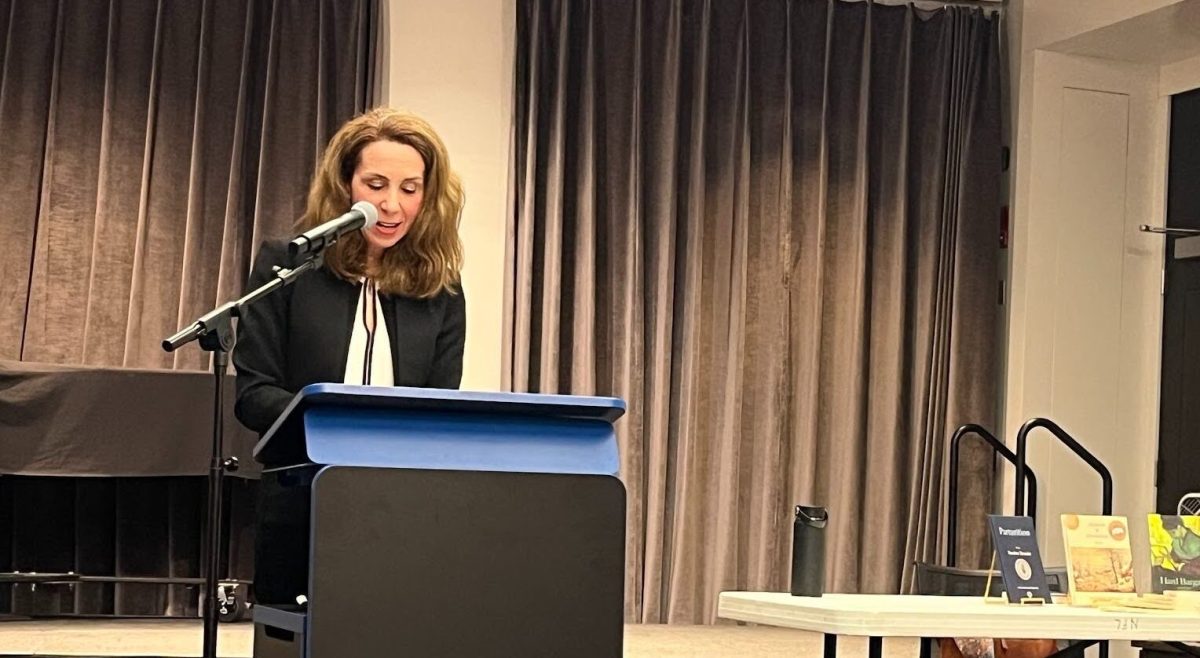
The plan was presented by Jon Regosin, who represented the nonprofit Newton Conservators, and Alan Nogee, the president of Friends of Cold Spring Park, which is a community organization dedicated to preserving and promoting the park. Both discussed concerns about how the tree would impact red maple trees in the area, which are the key pollen source for native bees.
“It can dramatically alter the ecology of the red maple swamp,” Regosin said.
The complicated nature of the project is due to the fact that cutting down the trees does not prevent the roots from sprouting, according to Regosin.
Regosin explained that despite the pervasiveness of the Amur cork tree, the problem can be managed through a multifaceted approach called “hack-and-squirt”: swinging at the base of a tree with a hatchet or chainsaw and then spraying the tree’s inside with herbicide.
John Rockwood, who represents the environmental consulting company EcoTec, has employed the method with other invasive trees and noted that the trees he tested will fall dead after some time.
“These trees, they’re fairly weak, and they will crumble within a couple of years,” Rockwood said.
If necessary, the Parks & Recreation Department could also employ a spider lift to cut down and manage larger trees.
The project, however, hinges on receiving a Community Biodiversity Grant from the Massachusetts Department of Fish and Game. While Friends of Cold Spring Park and Newton Conservators would execute most of the project and provide some money, the grant is necessary to cover the majority of the required funds.
If the city can’t attain the grant, it would need to scale the plan down, explained Regosin.
“I’m not sure that we would be able to complete it 100 percent,” said Regosin, in reference to the possibility of being denied the grant.
A formal secondary plan without grant funding would be important, as any change to the proposal would need to be reviewed by NHC again, explained Steel.
Steel emphasized that despite the large scale of the plan, there is public backing for the project’s effort to maintain biological diversity in Cold Spring Park.
“A number of residents have indicated their unbridled support for the project,” Steel said.
Both the City of Newton and private nonprofits remain optimistic that they can protect the biological diversity of Cold Spring Park.
“I think no matter what, we’re going to be able to do a significant amount of the work,” Regosin said.