
★★★★☆
Searows, the stage name of Pacific Northwest singer-songwriter Alec Duckart, has spent the last few years crafting a unique artistic sound within the indie folk scene, one characterized by hushed vocals and delicate acoustic arrangements.
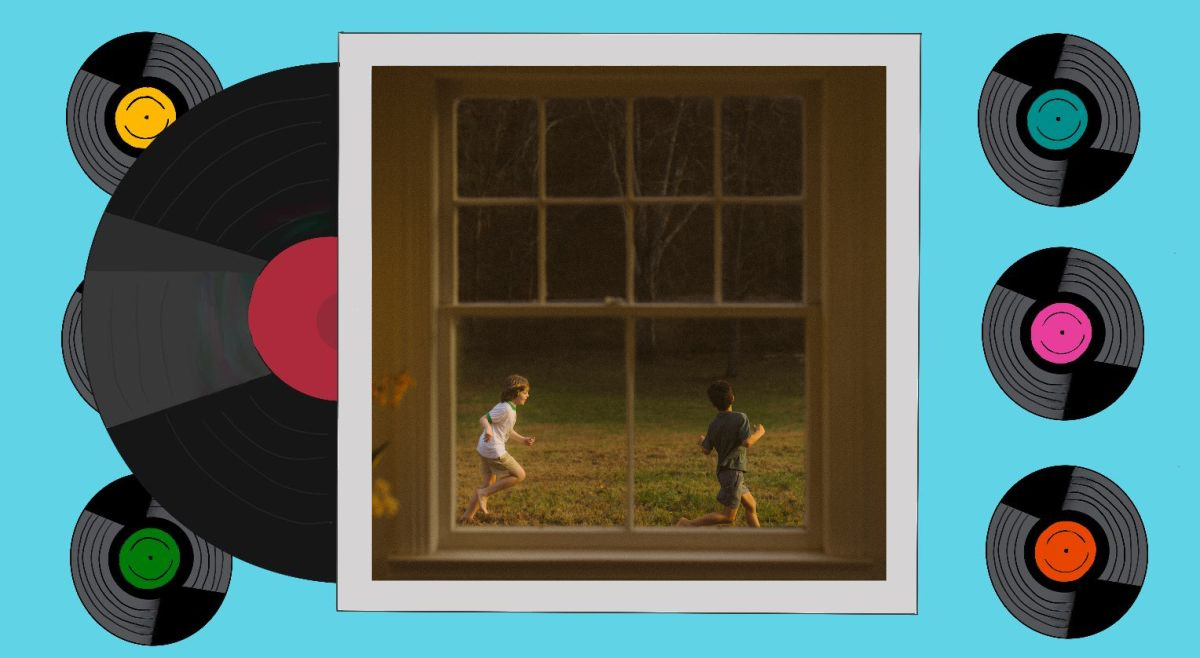
As someone who has been a fan for years, this album shows immense growth and talent from his 2022 debut, Guard Dog. Searows’ sophomore effort, Death in the Business of Whaling, moves him from the bedroom folk niche into something far more robust and cinematic.
With only nine tracks, the project clearly prioritizes quality over quantity in both production and song arrangement—the scale of the music finally matches the weight of the emotions. Rather than diluting his message across a lengthy tracklist, Searows offers a concise and heavy-hitting exploration of what it means to survive the business of being human.
The record is built around a central metaphor of harvesting, taking the brutal and historical industry of whaling and applying it to the way we process grief and relationships. It is an album about the labor of survival, the trades we make to keep our heads above water, and the ghosts we leave behind in the process.
The album starts with “Belly of the Whale,” which, for Searows, is an unexpected departure from his established sound. While his previous work leaned heavily on stripped-back acoustics, this opener features a backtrack of drums that offers a unique and punchy way to start the experience. The inclusion of banjo and driving guitar sounds adds a texture that was previously missing from his discography.
This sonic shift suggests a new confidence. By beginning the album with such an assertive rhythm, Searows signals that he is no longer just observing his feelings from a distance—he is moving through them with a newfound momentum.
The second song, “Kill What You Eat,” opens with the familiar Searows melancholy sound but quickly complicates it with visceral lyricism. He explores the physical and emotional toll of staying afloat in a world that feels increasingly burdensome.
“I broke a knuckle, but it’s not the same at all / At least I broke the fall,” Searows sings.
The song is a meditation on the “cost of living with yourself,” and while it starts in a quiet place, the production picks up significantly at the end. The crescendo at the end mirrors the internal struggle of the lyrics, ending in a rush of sound that feels both cathartic and exhausting.
This banjo-inflected pattern continues with “Photograph of a Cyclone,” a single that preceded the album’s release. The track serves as a bridge between his older, more folk-rooted style and the more experimental production found elsewhere on the record. It captures the stillness at the center of a storm, using the banjo to provide a frantic and nervous energy that sits just beneath his calm vocal delivery.
After moving through the introspective depths of “Dirt” and “Dearly Missed,” the album reaches a high point with “Junie.” The track is perhaps the most relatable on the record, capturing the specific and overwhelming urge to start over.
“I really meant it this time / Leaving without saying goodbye / Move in with my grandma by the seaside / I want a whole ’nother life,” Searows admits.
The song perfectly encapsulates the album’s theme of seeking a safeguard against the creature of one’s own mind. It is a track about the desire for erasure and the realization that no matter where you go, the business of your own history follows you.
The album ends with a song called “Geese,” a finale that allows the record’s heavy themes to finally settle. It is a weary and beautiful conclusion to a project that refuses to offer easy answers.
Ultimately, Death in the Business of Whaling proves that Searows is an artist who understands that vulnerability is part of the job. By leaning into more complex arrangements and punchy production, Searows has created a workspace for grief that feels both expansive and deeply intimate. He did what all great artists do—he took the quiet parts of himself and made them loud enough for his audience to finally hear.