★★★☆☆
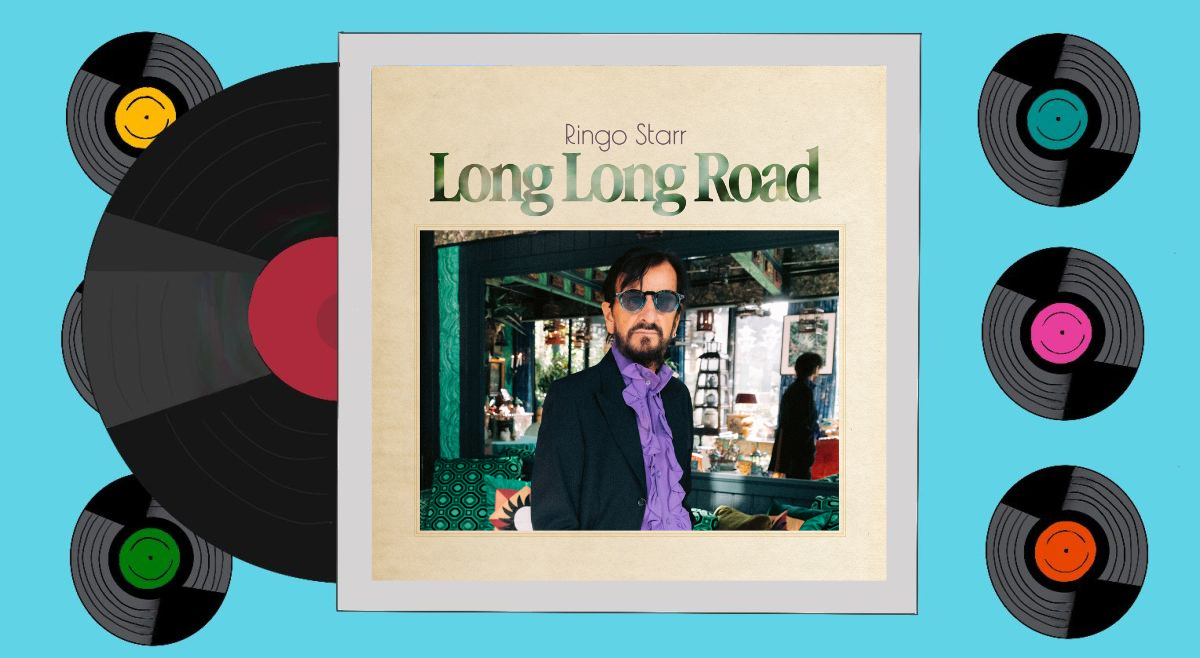
At 85 years old, former Beatles drummer Ringo Starr has produced his fourth studio album of the last decade alone. Long Long Road, released April 24, is the third of Starr’s impressive discography of 22 country studio albums. Tracks include features from the likes of Billy Strings and Sheryl Crow, among others, making it a collaborative collection from several iconic voices.
The album is relatively mellow, with a couple of upbeat tracks scattered throughout. The tracks don’t communicate a consistent narrative—they express a general theme of confusion in one’s identity and reflection on broken relationships.
“Returning Without Tears,” the album’s opening track, is the typical country break-up song, differing only from the blueprint because of Starr’s distinguishable British accent and use of modern-sounding instruments. The production is nothing special and frankly quite generic. Though Starr’s lyricism is a step above the typical 21st-century country song, distinguishing his voice from the average.
“I follow the parade I’ve known for years / Of brokenhearted angels / Who all warn me from above / There is no path returning without tears,” sings Starr.
The most unique track on the album is “My Baby Don’t Want Nothing,” which opens with a snippet of acapella vocals. While the rest of the track is solid, the opening offsets the congruency of the album, as it feels like a Pentatonix production.
While it’s perhaps unfair to place greater expectations on Starr’s releases due to his position as a Beatle, it’s difficult not to compare his work to that of his former band. The third, fourth, and fifth tracks, titled “I Don’t See Me In Your Eyes Anymore,” “It’s Been Too Long,” and “Why” respectively, feel distinctly Beatlesque. Despite being country, they are particularly cognizant of the band’s early releases, such as “Please Please Me” and “A Hard Day’s Night,” in both tune and lyrical style.
“Why,” in particular, feels like a country copy of The Beatles’ “Tell Me Why.” Whether or not Starr is aware of it, the vocals and melody of both tracks are quite alike, and it’s impossible to acknowledge their similarities listening to them back-to-back.
The album’s closing, titular track offers a similar acapella opening as “My Baby Don’t Want Nothing,” and, likewise, feels out of place. For lack of a better comparison, it feels like the closing piece of a 1970s children’s show. There’s a clear lack of lyrical depth, and the melody provides nothing worth commemorating.
Crow’s background vocals are the highlight of the piece, and though subtle, they provide a solid harmony.
“You know things will always change / It’s up to you to rearrange / Your life will never be the same / Life’s a long, long road,” Starr closes.
All in all, this album seems to be in conflict between intending to sound vintage and contemporary. The melodies are all relatively old-fashioned, but the production quality is indistinguishably modern. Further, the lyrics sound dated, but the 21st-century clarity of Starr’s vocals makes them feel new.
While the album itself is quite simplistic, it’s far from bad. Above all else, it’s wildly impressive that Starr has been releasing music off-and-on for over sixty-five years.
Although his work as an independent artist may be substantially different than that of The Beatles, it’s clear the rock-and-roll legend still possesses a unique talent.