★★★★☆
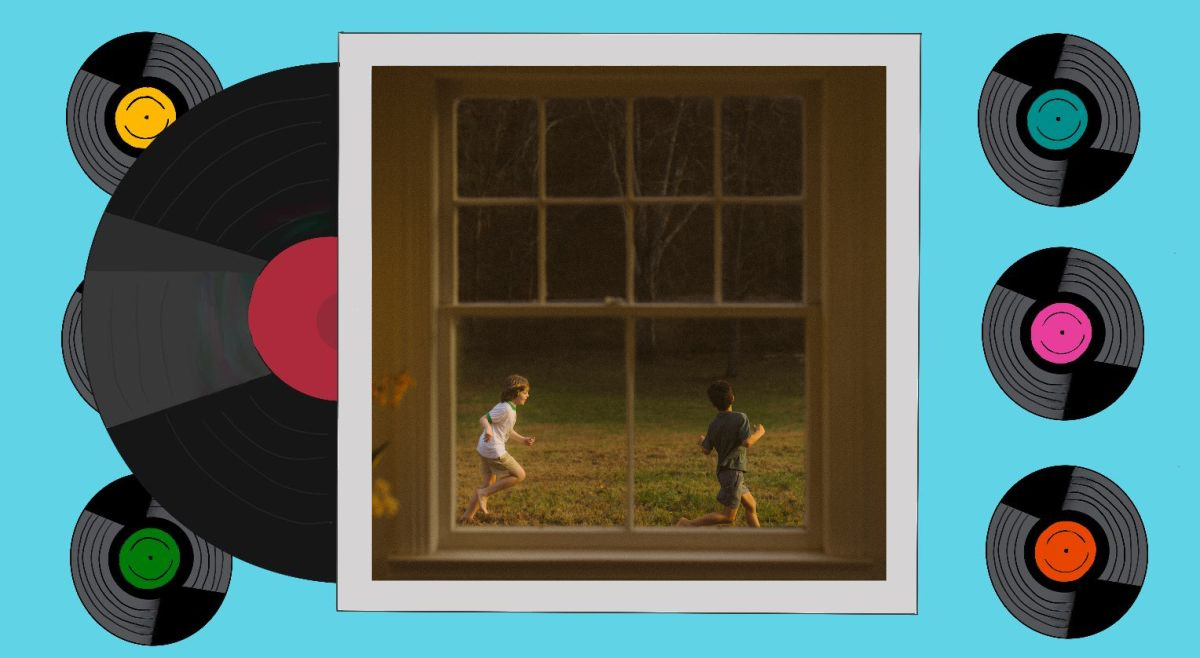
Nearly four years have passed since Noah Kahan released his last LP, Stick Season. In that time, the Strafford, Vt. native has amassed global stardom, becoming the first artist to play four consecutive nights at Fenway Park and selling out baseball stadiums across the country on his upcoming world tour.
In The Great Divide, Kahan unabashedly juggles this newfound fame with his small-town roots, making for his most honest and vulnerable album yet.
With candid lyricism and layered instrumentals, the 21-track album unpacks Kahan’s fame, complex relationships, and the intersections between them.
The album opens with “End of August.” The quiet buzzing of bugs is followed by soft piano trillings, which set the stage for a beautifully bittersweet song depicting Kahan’s paradoxical feelings of love and apathy towards his hometown.
“If these trees started talking, I bet you they’d only talk shit / ’Cause we never do anything real, we just talk about it,” Kahan sings.
“Doors” follows. The song brings back Kahan’s roots-rock sound with an addictive beat and crafted lyrics that evoke Kahan’s insecurities—he sings about all the reasons there are to leave him.
“That I’m the trouble ahead / That I scream in my sleep / You’re putting money on red, I’m a sure bet at a losing streak / I keep showing you doors, but you can’t open them up,” Kahan sings.
In tune with his prior discography, he deals with pain throughout the album. In “American Cars,” Kahan expresses his guilt about living far from home, noting the clear divide between his hometown, his new success, and his family’s expectations.
“Make him talk, make it stop, all I want is a dialogue / Oh, we’re drownin’ here, I’ve gotta stay for Mom / Make the house a home, you know how to talk / Well, you did back then, we would talk so much / And it’s fine we don’t, but can you come home?” Kahan sings.
In “23,” Kahan wrestles with a loved one’s addiction and anger. The result is a powerful track that sees the Kahan battle with wanting his loved one back, seeking a sense of what used to be normal.
“Deny Deny Deny” is another rock track that explores the frustration of dealing with someone who can’t take responsibility, instead turning to deflection and resentment.
“You can scream at me when I come home drunk / And it’s fine, I know your company line / When I ask about the past, you deny-ny-ny,” Kahan sings.
“Downfall” sees Kahan muse about a tumultuous relationship, as he prays for someone’s downfall while simultaneously hoping for their return. Produced and co-written by Aaron Dessner, “Downfall” lets Kahan’s lyricism shine against a melodic, melancholic backdrop.
The album’s sixth track, “Paid Time Off,” is a return to the folk sound Kahan is known for. In the bango-ridden song, Kahan reminisces about growing old with a friend and attempting to relive their youth.
Kahan released an additional four songs on Friday evening, including “Staying Still,” a fan favorite that heavily references Boston. In the track, Kahan laments about an impending long-distance relationship, hoping, “Logan crumbles and gets hit by a tornado.”
“Oh, I can’t keep starting over / Sleepin’ in a bed half-empty, daydreamin’ / All love must leave, oh, but search for it I will / Honey, tell me are you good at staying still?” Kahan sings.
The titular track and first released song, “The Great Divide,” emphasizes a lost connection from Kahan’s youth and a yearning for the same past that Kahan muses on so heavily throughout the album.
In Kahan’s album announcement, he explained how the tracks on The Great Divide represent the feelings he wished he could verbalize, noting the exhaustion of “climbing a ladder towards the wild, spiraling dreams that have materialized in front of [him].”
This sentiment is felt throughout much of the album, as he faces criticisms for using his loved ones and past traumas in “Haircut,” a lyrically brutal but catchy folk track.
“I drove your ass home / You walked into a haunted house and got angry at the ghosts / We were fine without you baby / Long after you’re gone / Spare us all the pity love / Save it for the microphone,” Kahan sings in the bridge.
Kahan continues to unpack his own fame in the following song, “Willing and Able,” where he wrestles with the tense history of a relationship. Kahan delves into his life post-fame, singing about how the people in his life view him now.
“They all say you’re a light, all I see is a shadow / And I’ll see you again in six months, when you need your next song,” he sings.
On “Spoiled,” Kahan sings about the resentment for children he’s yet to have, already believing they’ll live off his musical success and blame him for their mistakes. His developing musical career is central to the song, and he bluntly notes the toll fame has taken on him in the first and second verses.
The Great Divide brings a more introspective version of Kahan to the microphone. He’s unafraid to be honest with himself and his family, and he makes a point of confronting the impact of fame on these relationships, which, ultimately, makes Kahan an artist you want to root for.