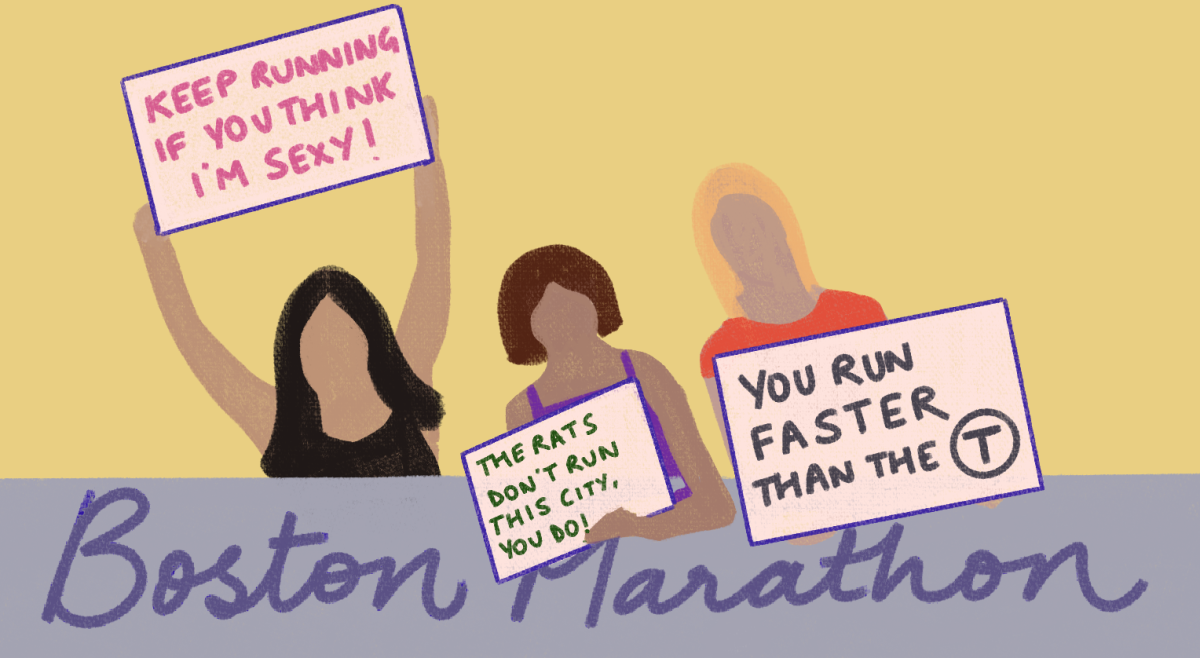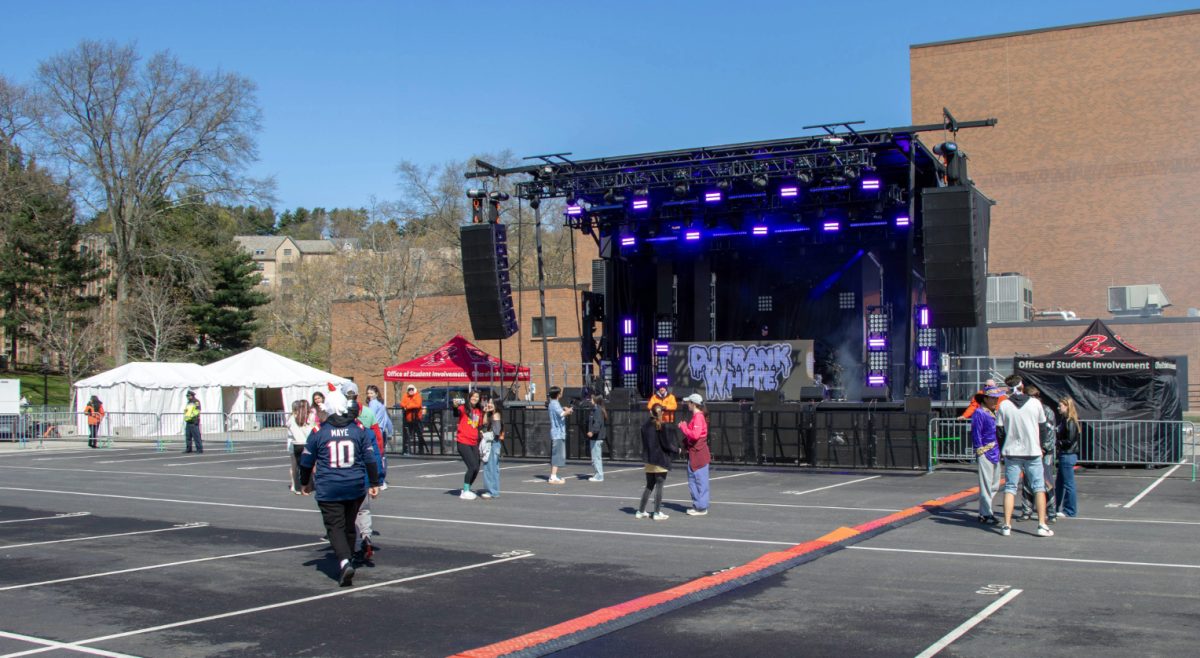

Marathon Monday has always been one of the most exciting days of the year for Boston College students. Over time, the mythos of MarMon has garnered an almost cult-like reverence on campus. With the introduction of the Mile 21 Concert in 2022, the annual anticipation for the day’s festivities intensified even further.
But the Mile 21 Concert is just one tangible product of the developing intersection between music and running culture.
Since the commercial introduction of the MP3 player—and similar miniature music-listening devices like the iPod Shuffle—in the late ’90s and early 2000s, people across the globe have grown accustomed to listening to music while running.
As a result, music has become an essential part of both recreational and competitive running—brands have designed specialized headphones, and running playlists are ubiquitous across streaming platforms.
For many of the marathoners here on campus, music plays a crucial part in their running experience.
Giovanni Culotta, MCAS ’26, who is running the Boston Marathon for the first time this year, was warned away from listening to music while running by his high school coach. Since moving on from competitive racing, he has adopted it as a regular part of his routine.
For many runners, music helps them avoid overanalyzing their performance and directs their thoughts away from the physical sensation of running. Culotta explained that instead of hyperfixating on their breathing or their pace, runners can reflect on something less immediate.
“I’ve found [music] to be a support system, to take my mind off the numbers and the thoughts that go in and out of your head during races,” Culotta said.
At the same time, music also has the power to provide runners with the extra endorphins they need to keep going when things get physically challenging, explained first-time marathoner Clare O’Holleran, MCAS ’28.
“From a biological standpoint, listening to music and running do the same thing for your brain,” O’Holleran said. “If I’m running up Heartbreak Hill and I’m really struggling … I’ll put on a song that’s going to hype me up and get me there—get me across the finish line.”
When it comes to harnessing extra energy through music, runners must walk a fine line. Listening to music that will produce high levels of endorphins can be helpful over a short period, but detrimental when running for long distances. Luke Mangano, MCAS ’28, another first-time marathon runner, explained that the body can get overexcited and, as a result, quickly tire out.
“If I’m doing a longer run, I’ll listen to more mellow music, so I can keep my pace down … versus a faster tempo run, or hills, or something like that, I’ll listen to something more hype for a quick blast of energy,” Mangano said.
For this reason, runners must balance personal preferences with the maintenance of a kind of runner’s homeostasis. And so, the choice of genre, or genres, becomes an important aspect of every runner’s musical decision-making.
Some runners even make their selections based on a song’s beats per minute (BPM), with the goal of keeping their heart rate equivalent to the bass pattern. Mangano, who is overcoming a stress fracture in his tibia, was advised by a physical therapist to increase his steps per minute while running. As a result, he has been listening to songs with a higher BPM.
“It’s definitely been a big adjustment,” Mangano said.
Listening to songs with a specific BPM for the sake of physiological efficiency has become a fairly widespread technique in the competitive running community, but not everyone is on board.
“I’m not going to sacrifice ten beats per minute of my heart rate to hear a song I hate,” Culotta said.
For other runners, the feel of the song, or their personal connection to it, is more important for self-motivation than the logistics.
“If you have a connection to music in any way, or you’re really feeling a song in one moment, then it’s going to help you actually do what you trained to do,” O’Holleran said.
Aside from the statistical benefits of listening to music while running—releasing endorphins, adjusting heart rate, etc.—there is another, perhaps more meaningful reason that music has become intertwined with the sport’s culture.
While most other popular sports involve teams or some social element, running is fundamentally a solitary activity. Even though the recent run club craze has provided many people with the chance to run in groups regularly, it hasn’t really amended the loneliness of the sport. You can’t quite gab when you’re constantly in search of your next breath.
“Running is such an independent thing,” Mangano said. “Even with training for a marathon, your plan won’t line up exactly with your friends … so a bunch of the runs you do will be alone, and listening to music gives you something to think about.”
It’s also worth noting that runners aren’t always looking for communion. In fact, many people take up the sport primarily because of its asocial nature. And music pairs remarkably well with solitude, not only for runners—as it has in this century—but for us all.
“I think music is so key for runners because … it’s their alone time, it’s their time with themselves,” said Culotta. “And for a lot of people, music is a part of that.”
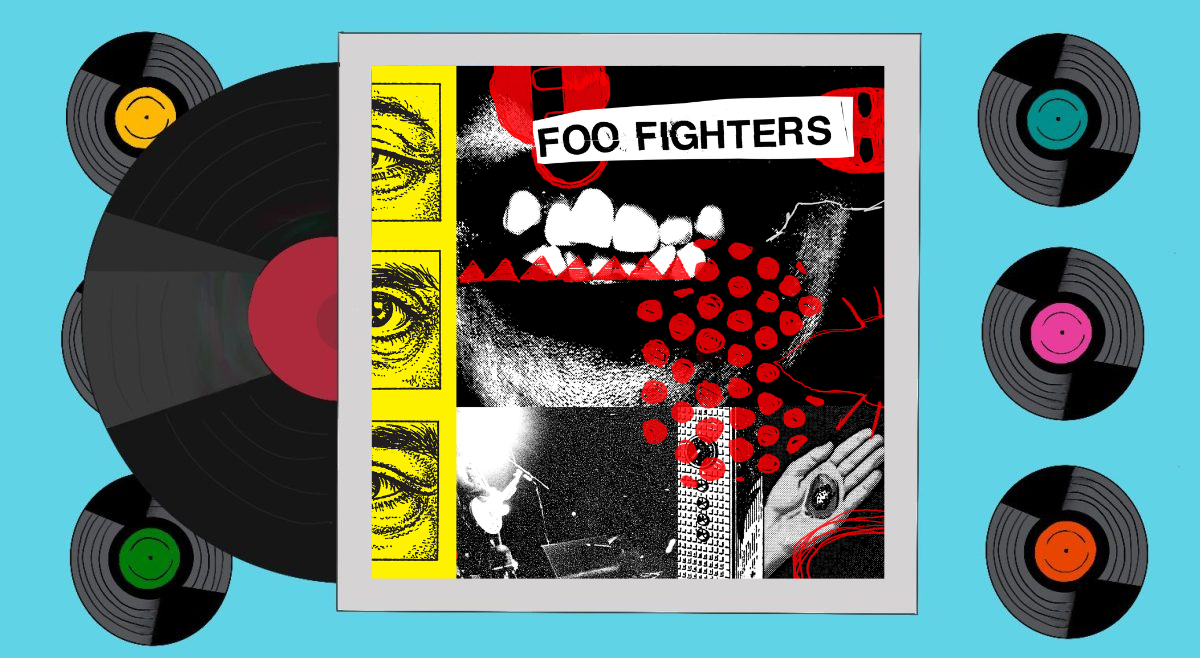
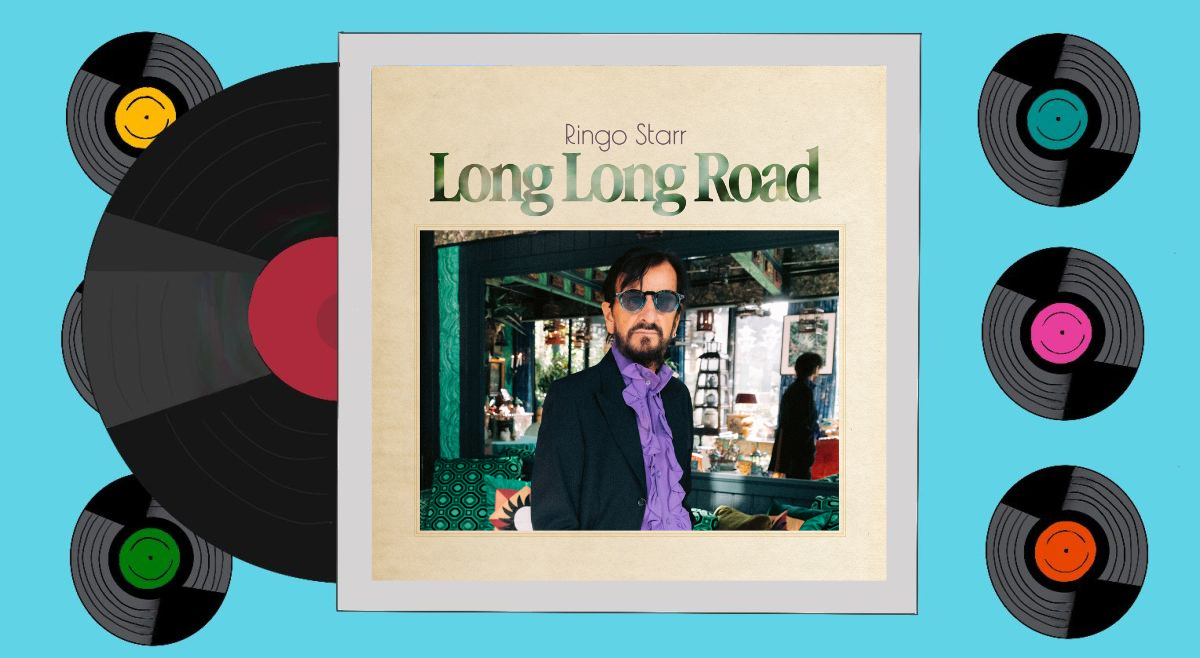
The graphical data in this article is based on survey responses from 14 BC students who are registered for the 2026 Boston Marathon.