Growing up, seemingly all my peers were on an entirely different pop culture wavelength.
I never knew about The Goonies or Sylvester Stallone, and it was only recently that I started listening to dad rock. Instead, I grew up on Aventura and watched El Chavo Del Ocho at home.
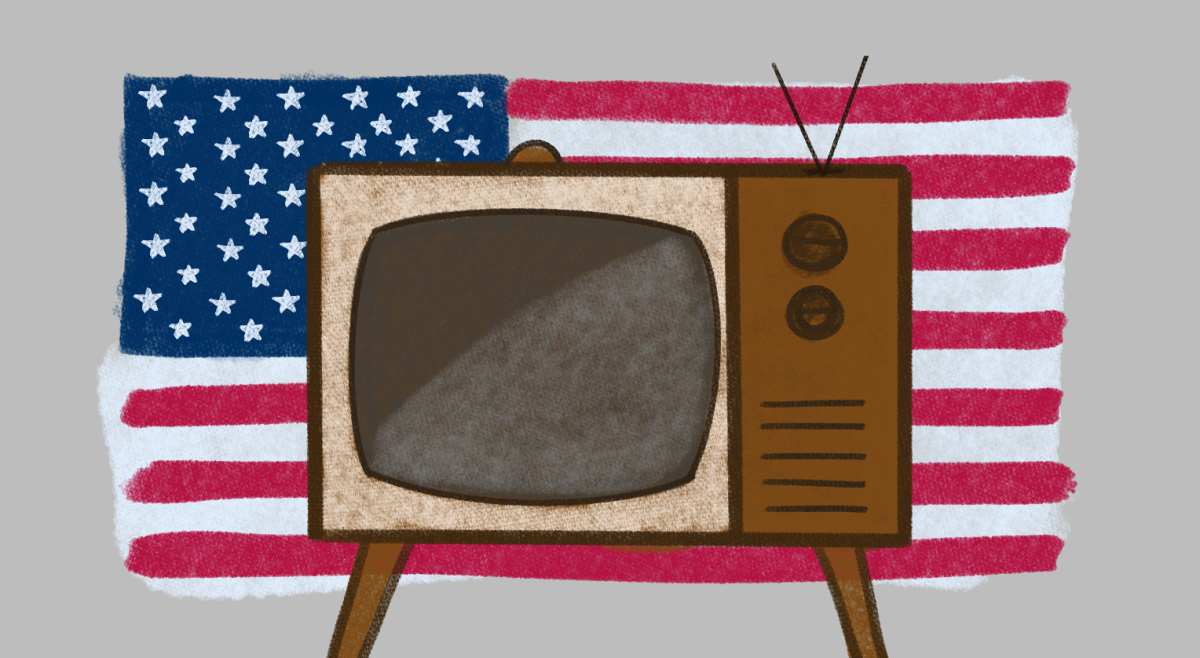
Early on, I realized assimilating was the only way to fit in. I ditched Univision and Telemundo for Disney and Nickelodeon. Even after adjusting my consumption habits, I still didn’t understand most pop culture references in TV shows and movies.
As popular as these American artists and actors were, they didn’t spread easily across the United States’ border.
My mother, who immigrated from the Dominican Republic, only knew Will Smith—The Fresh Prince of Bel-Air was the sole American TV show available in the Dominican Republic for many years.
It wasn’t blatant ignorance on the part of my parents for not knowing these references. Steely Dan was not available to them growing up, so how could they have prevented me from being ostracized for not knowing the lyrics to “Dirty Work” in the third grade?
For a period of time, I believed that it was our job as first-generation Americans to assimilate as best we could, to shed any ties to our motherland and accept the American way of life. But the announcement of Bad Bunny, a trailblazer for Latin music, as the headliner for the 2026 Super Bowl halftime show challenged that attitude.
I still remember when Bad Bunny hit the Latin music scene in 2018. As much as I tried to forgo my Hispanic roots, my parents were much less obliged to forget where they came from. He brought a new sound to reggaeton, and as time went on, he broke language borders, garnering worldwide success.
In my corner of the world, people were ecstatic. Someone from a little island in the Caribbean was finding success in American pop culture. Bad Bunny had taken everything that made being Latino unique and brought it to the world stage.
With him breaking chart numbers in both Latin America and the United States, it felt like Latin American culture was slowly integrating into American culture—Puerto Rico is, after all, a U.S. territory.
But some disagree.
After his performance announcement, many took to the internet to debate the merits of having Bad Bunny perform. Reasons range from him not reflecting “American values” to lamenting the fact that his set will be predominantly in Spanish.
Maybe this reaction was to be expected. Bad Bunny has not shied away from criticizing the presidency and the treatment of immigrants. For his newest album, DeBí TiRAR MáS FOToS, he chose not to perform in the United States due to ICE raids and the potential arrest of concertgoers. His music also discusses the neo-colonialization of Puerto Rico and his people’s isolation.
The United States has always been coined a “melting pot,” but there is no doubt that white culture is what dominates our pop culture. Regardless, Bad Bunny has been a pioneer in integrating Spanish-language music into mainstream Western culture. He has shown that American music is not monolithic, just like Americans.
The backlash he received reminded me of all the times I needed to make an effort to listen to music outside my “culture.” Americans must come to realize that, as immigrants, our culture is as much a part of American life as theirs. For me, Bad Bunny’s performance will be equally a political statement and a disruption to the status quo—a testament to how far American society has come in accepting us as one of them.
The same way I decided to learn the lyrics to beloved American songs and watch cult-classic movies, Americans can listen to songs by one of the most popular global superstars and performers—even if the lyrics are in Spanish. After all, Spanish is spoken by over 67 million people in the United States.
Despite the presidential administration’s actions, that number will continue to grow.
Art is such a large part of appreciating each other’s cultures, but America has come to this realization extremely slowly. As the world grows more interconnected, we must be willing to immerse ourselves in other cultures and bridge the gaps between our differences.




Nicolas • Nov 23, 2025 at 11:24 pm
I’m Dominican and I grew up watching US movies, cartoons and tv shows in the DR, so I’m not sure what this articles is talking about.