
TikTok has no idea what a theory is.
Even when the theories get the technical idea right, they are pretty consistently a little dumb. Red nail theory, taxi cab theory, and the like all usually add, in my opinion, very little to the cultural conversation (and are even less likely to ring true). I do, however, have quite a fondness for bean soup theory.
The bean soup theory stems from a cooking TikTok. It is such a phenomenon that I struggled to find the original video. But, I believe it is from a 2023 video of a woman making a 15-bean soup. Infamously, a random user saw this video and did not think about how 15 types of beans in one soup is a little comical, but instead dared to ask, what if I do not like beans?
This singular comment has sparked three years of dialogue, which in itself feels slightly ridiculous. Then again, so do most of the cultural conversations on TikTok. As silly as the comment may be, the observations that came after are spot on. The bean soup theory is about how younger generations seem to believe that everything they come across can, and should, fit their specific needs.
I would like to reiterate that TikTok has just as much trouble understanding what a theory is as it does with what POV means. But hey, nobody’s perfect, and at least this one is interesting.
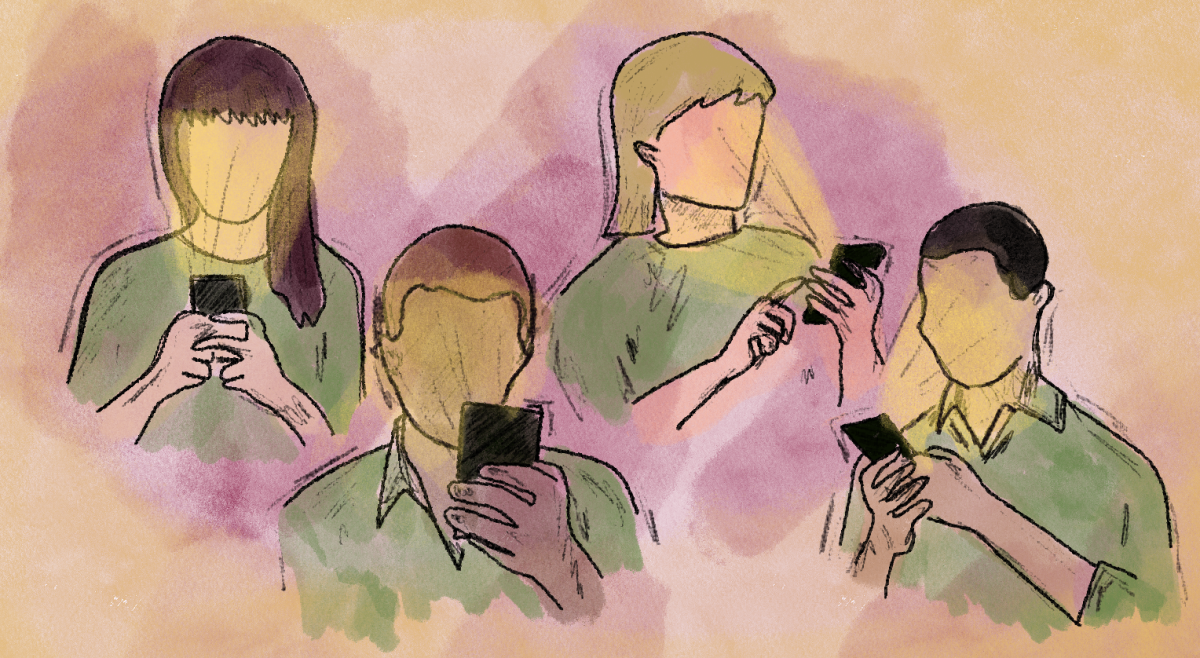
Our entire generation seems to have distinct trouble with the idea that not everything on their For You page is truly meant for them. Yes, there is a general and understandable expectation that when something comes up on a personalized algorithm, it will at least be similar to something you like. But what happens when people push that expectation to the limits?
The first problem stems from a lack of understanding of what an algorithm fundamentally is and what it is realistically capable of. It can log that you enjoy cooking videos, but it does not immediately know your ingredient preferences. But more than that, it is incredibly odd to watch a video of someone cooking for themselves and feel the need to comment that you personally wouldn’t like the dish. It implies that the original creator should have known and not posted such a pointless video in the first place.
The expectation for personalized content has bled from the internet into the real world, much like just about every other bad habit one could assign to Gen Z. The desire for things to be catered to our specific needs or preferences has its claws in most of the problems our generation faces.
In our minds, life should be easy since, of course, we are the main character. This means that I am once again blaming the woes of Gen Z on some unholy conglomeration of individualism and the internet. Shocking. Maybe I will stop saying it when the glaring examples stop, well, glaring.
I see the effects of this everywhere. The idea that the world should cater to you is infectious, and it rears its ugly head in unexpected places. It is at the core of the “therapy-speak” that so many people weaponize. It is at the core of our generation’s loneliness.
When you are so focused on your own experiences, it often means you cannot see others’ needs and desires as nearly as valid as your own. Which, in a way, means it is more difficult to see and connect with them as humans. It means you cannot engage with the human experience to its fullest potential.
My use of “you” instead of “we” is purposeful there. Not because I am impervious to the effects of the same internet we all grew up with, but because I find it very hard to admit that I can have those same struggles. I pride myself on my ability to empathize and understand others. But if this is a generational problem, then no one is immune.
So, what should you do when you don’t like beans? Get off your phone. Talk to other people in real life about the experiences that shaped them and their views. Do not dismiss these conversations by thinking, “Oh, I didn’t experience that, so I won’t understand.” Use the empathy you were born with—it is the defining trait of the human experience.
But most importantly, get off your phone.